The Neurosurgeon Behind Epilepsy Care at Armani, Mehsana
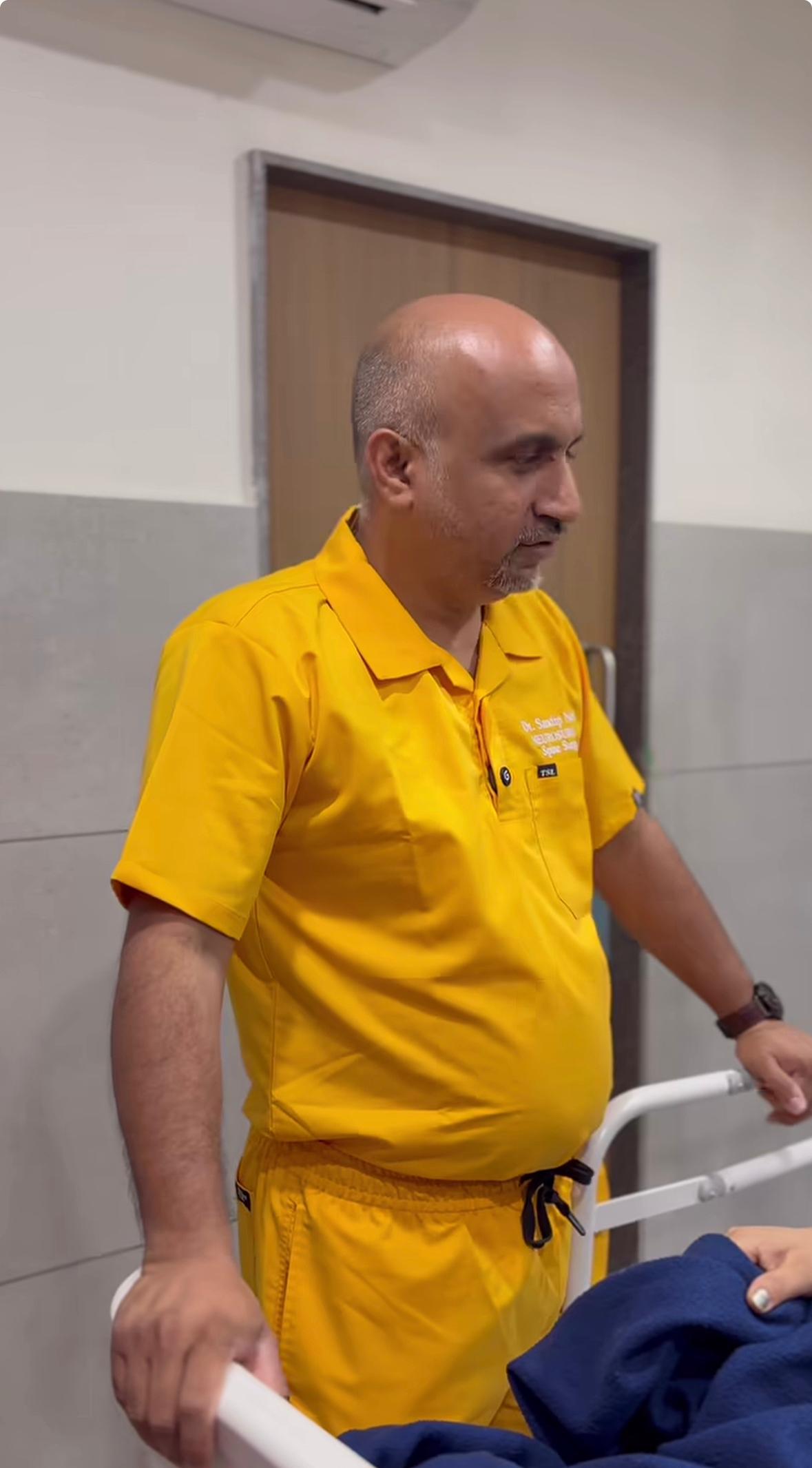
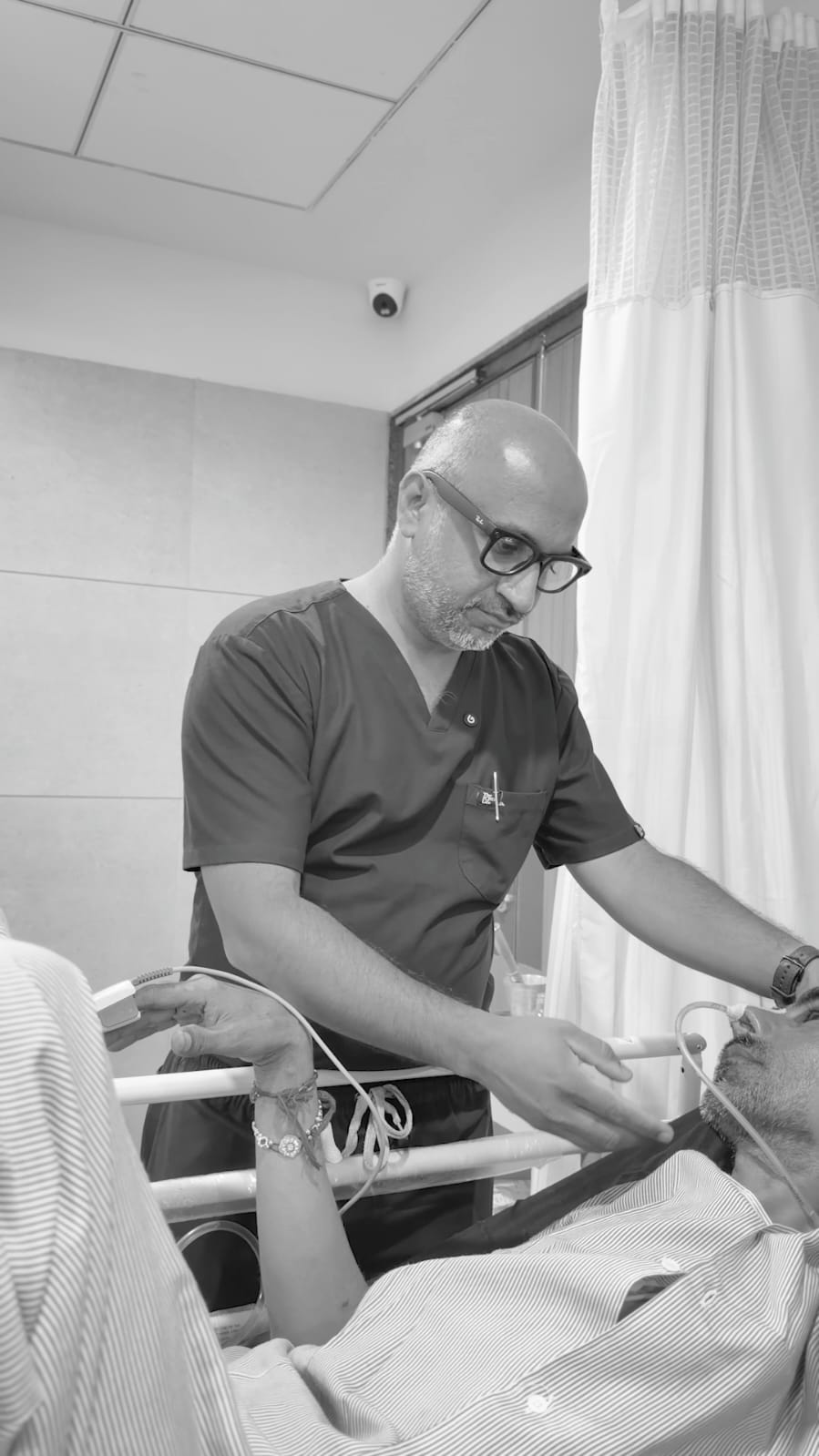
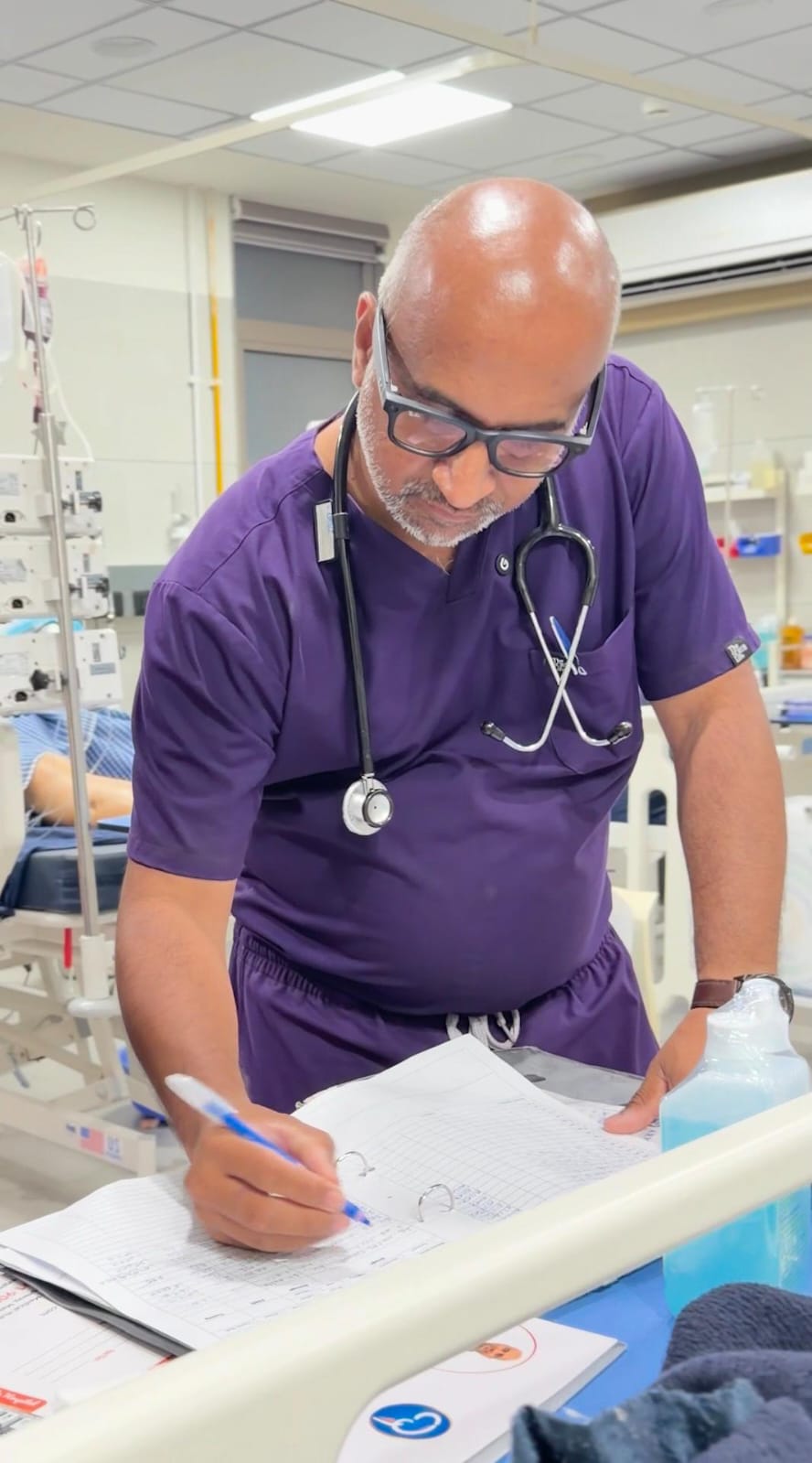
Epilepsy cases at Armani are managed by Dr. Sandip Patel, a Neurosurgeon whose clinical practice includes the evaluation of seizures linked to structural brain abnormalities, alongside the medical and surgical management of epilepsy in both adults and children.
Dr. Sandip Patel, Neurosurgeon for Epilepsy Treatment in Mehsana
Dr. Sandip Patel's approach to epilepsy begins with identifying whether a seizure has a structural cause, a brain lesion, old injury, developmental abnormality, or scar tissue, that imaging and clinical history can reveal. This distinction shapes everything that follows: a seizure with no structural cause is managed very differently from one with a lesion that may itself need treatment. Patients from Mehsana and across North Gujarat are seen at Armani for first-time seizures, established epilepsy not responding to medication, and seizures suspected to be linked to a tumor, scar or old head injury.
Understanding Epilepsy and Seizures Treated at Armani
Epilepsy is not a single condition. It covers a range of seizure types and underlying causes, and the right treatment depends entirely on identifying which one is present.
Focal (Partial) Seizures in Mehsana
Seizures that begin in one specific area of the brain, sometimes with the person remaining aware throughout, and sometimes with impaired awareness. Symptoms can range from a strange sensation or brief confusion to jerking movements confined to one part of the body.
Generalised Seizures in Mehsana
Seizures that involve both sides of the brain from the onset, including the convulsive, full-body episodes most people associate with epilepsy, as well as brief lapses in awareness that can be mistaken for daydreaming, particularly in children.
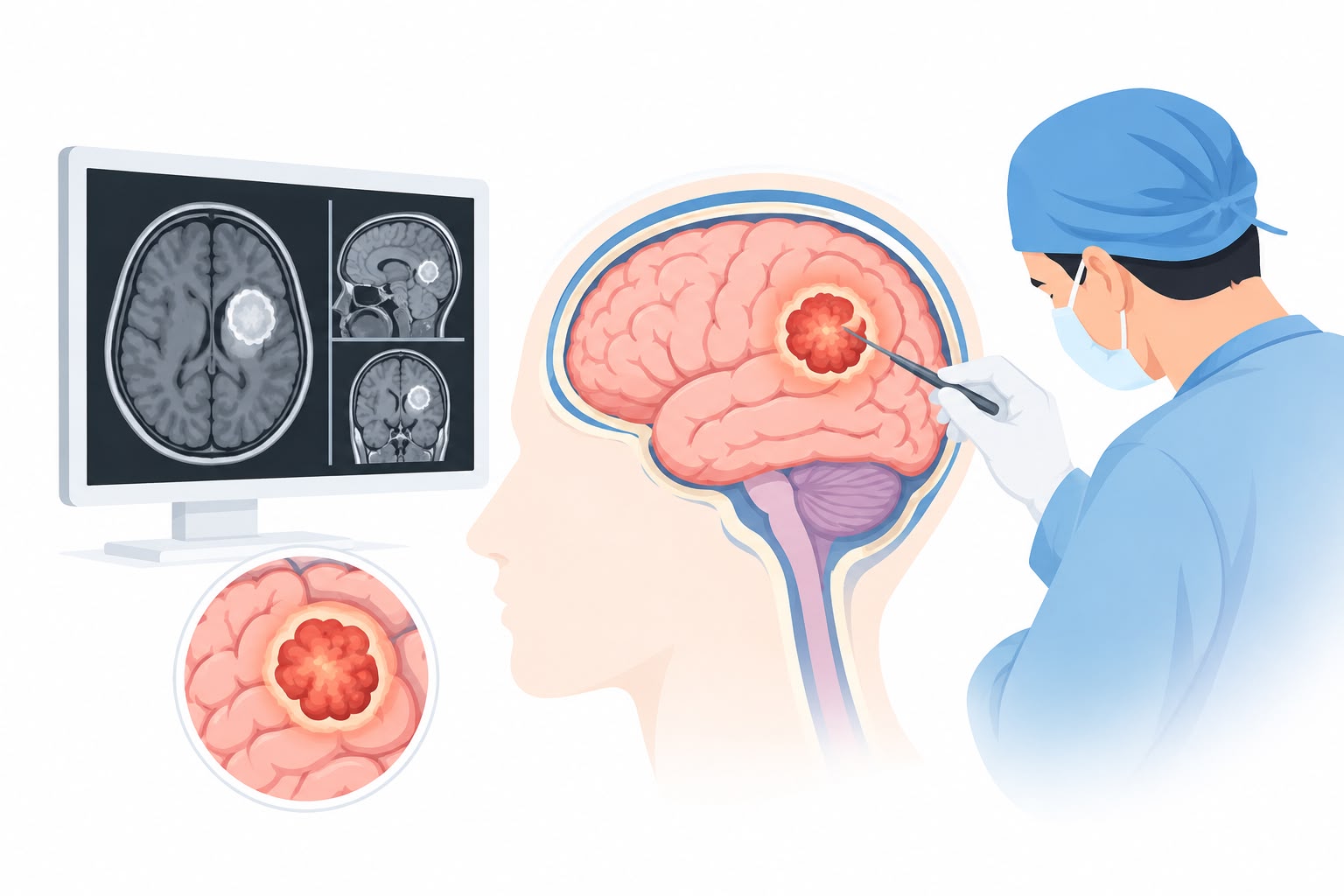
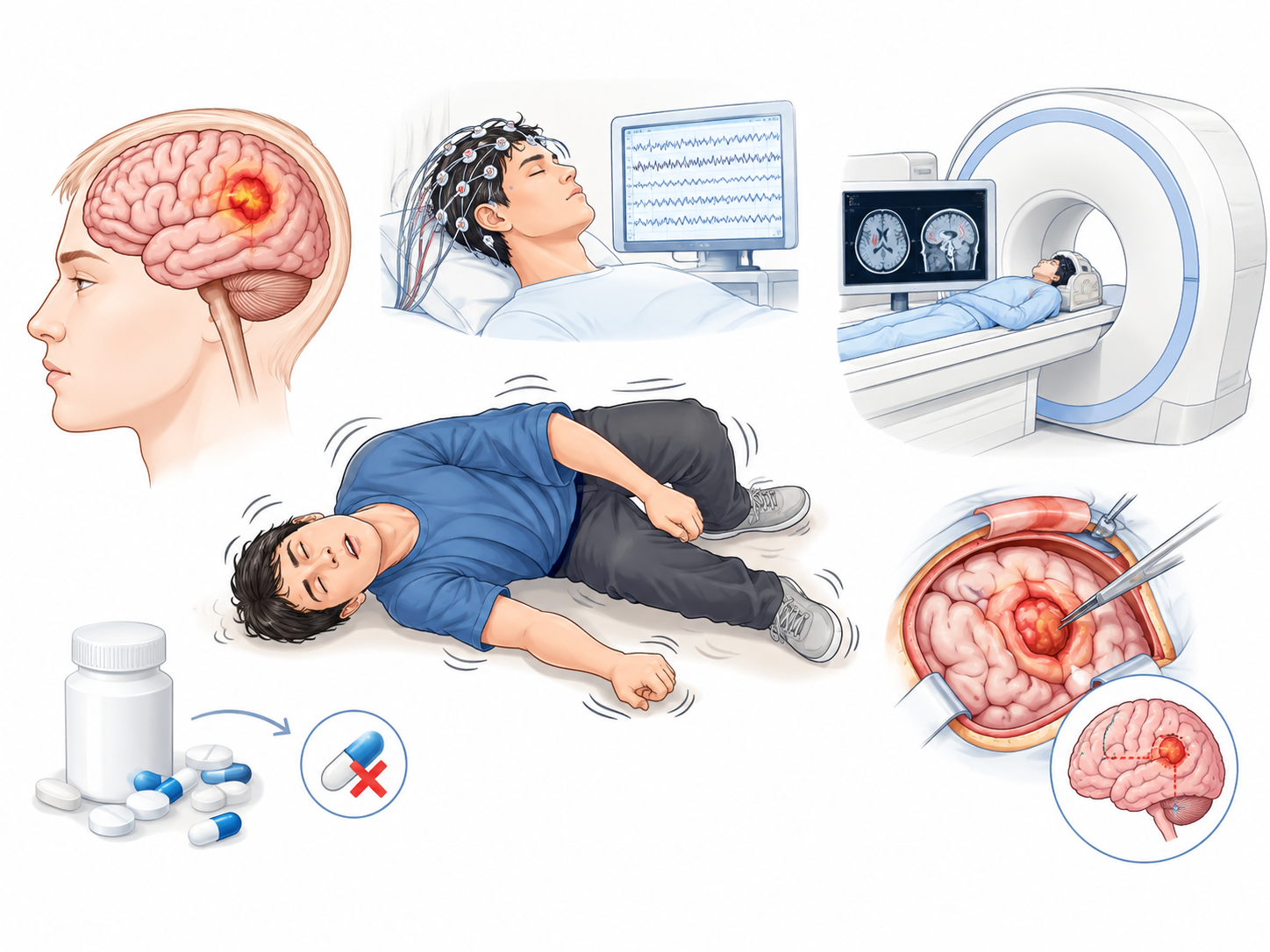
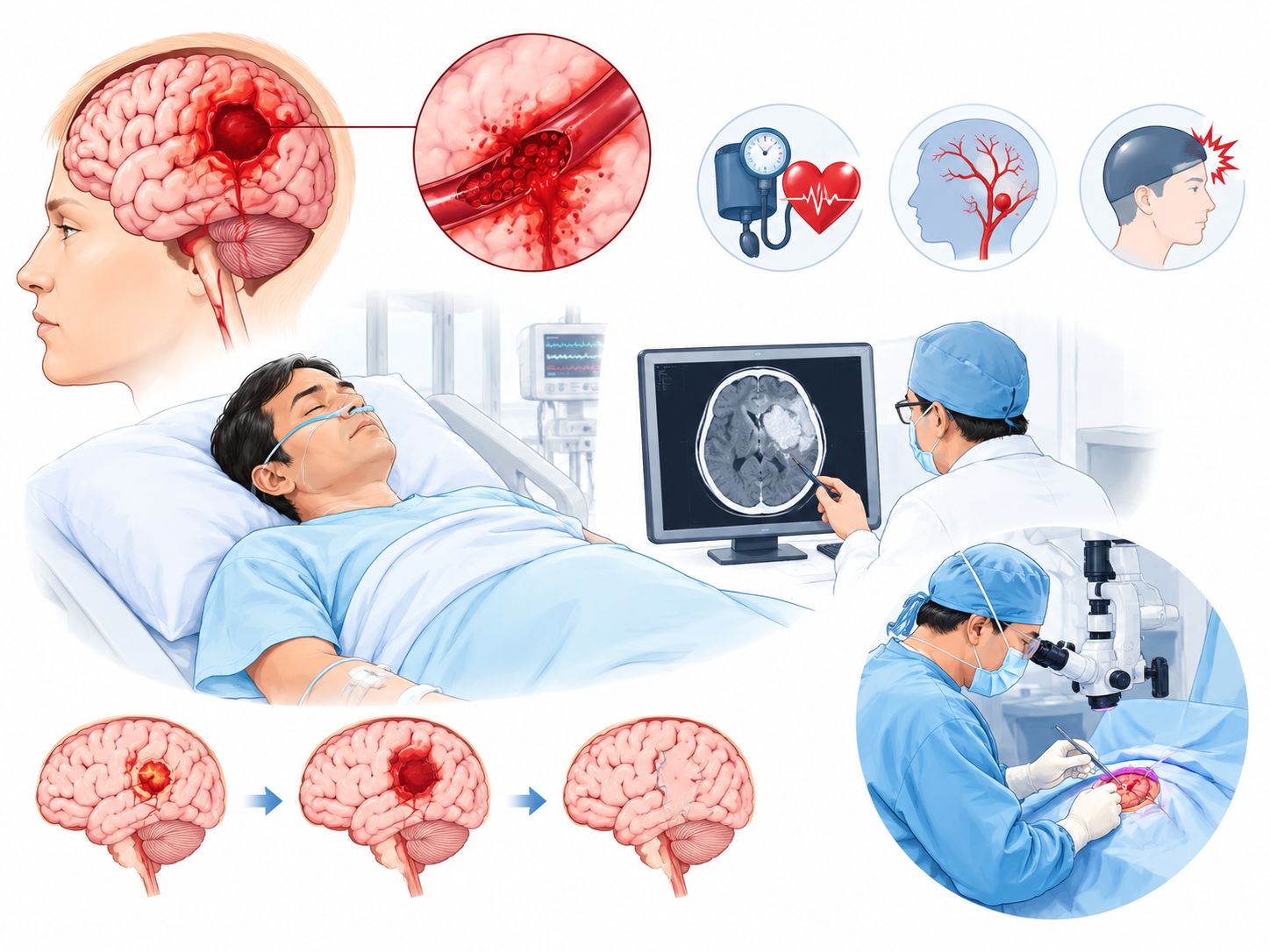
Seizures Caused by a Brain Lesion in Mehsana
Some seizures arise from a specific structural cause, a prior stroke, a brain tumor, scar tissue from an old head injury, or a developmental abnormality present since birth. Identifying a lesion changes the treatment conversation, since treating the lesion itself may be part of controlling the seizures.
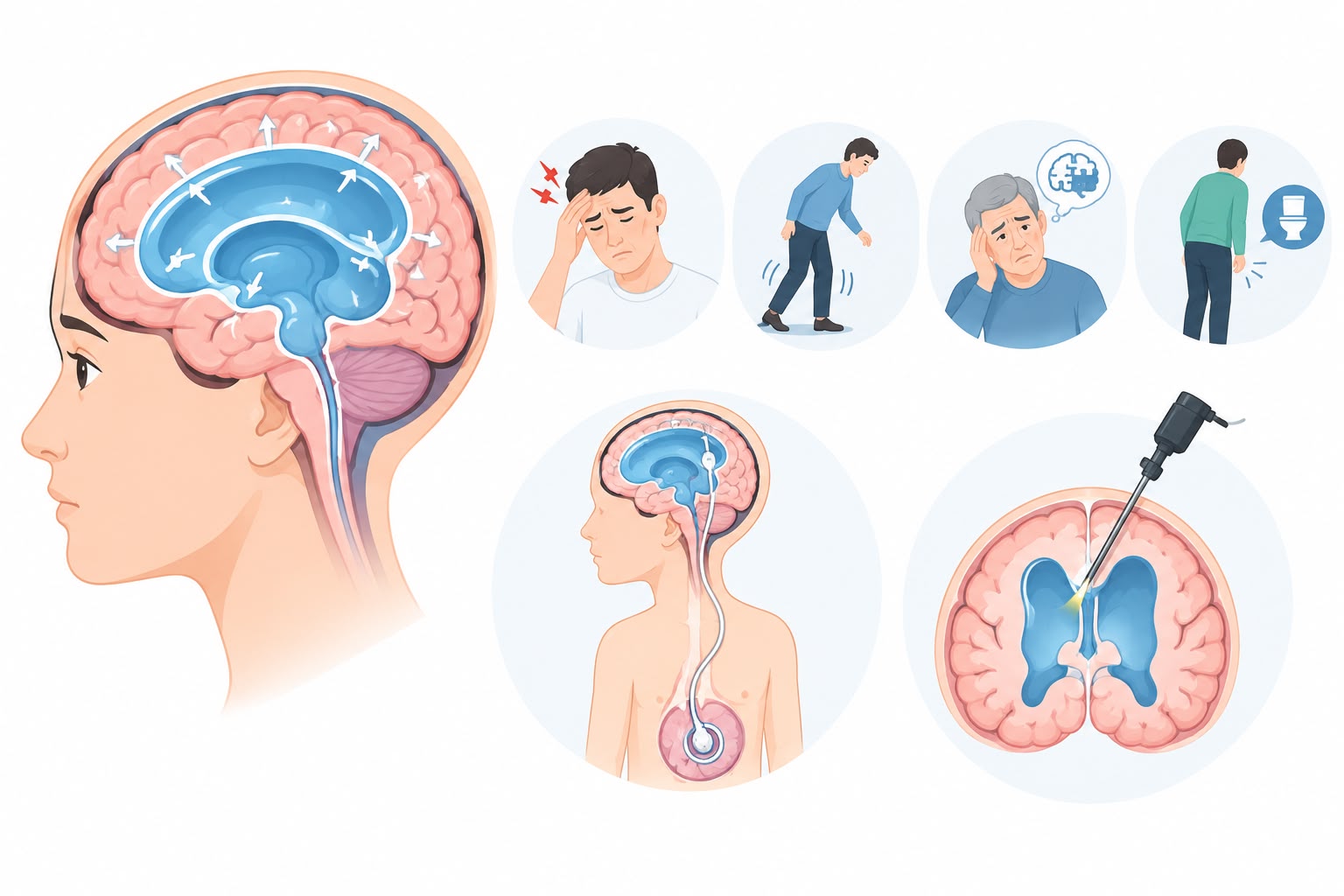
Drug-Resistant Epilepsy in Mehsana
Epilepsy that continues despite adequate trials of two or more appropriately chosen medications. This is the point at which further evaluation for a surgical option becomes relevant, rather than continuing to adjust medication indefinitely.
New-Onset Seizures in Adults, Mehsana
A seizure occurring for the first time in adulthood is evaluated differently from epilepsy that began in childhood, since it is more often linked to a new structural cause that needs to be identified before treatment begins.
Epilepsy Symptoms, What Patients and Families Notice in Mehsana
Seizures do not always look like a dramatic, full-body convulsion. Recognising the less obvious presentations is often what delays a diagnosis.

Brief Lapses in Awareness
A short pause, blank stare or moment of unresponsiveness, sometimes dismissed as distraction or daydreaming, particularly in children, can be a seizure in its own right.
Unusual Sensations or Movements
A strange rising feeling in the stomach, an unfamiliar smell or taste, or jerking confined to one hand or side of the face can be the only sign of a focal seizure.
Convulsive Episodes
Full-body stiffening followed by rhythmic jerking, often with loss of consciousness, is the presentation most people recognise, but it is only one of several seizure types.
How Epilepsy Is Diagnosed at Armani, Mehsana
An accurate diagnosis rests on identifying both the seizure type and whether a structural cause is present.

- Detailed clinical history, including a description of the seizure from anyone who witnessed it
- EEG (electroencephalogram) to assess the brain's electrical activity and identify seizure-related patterns
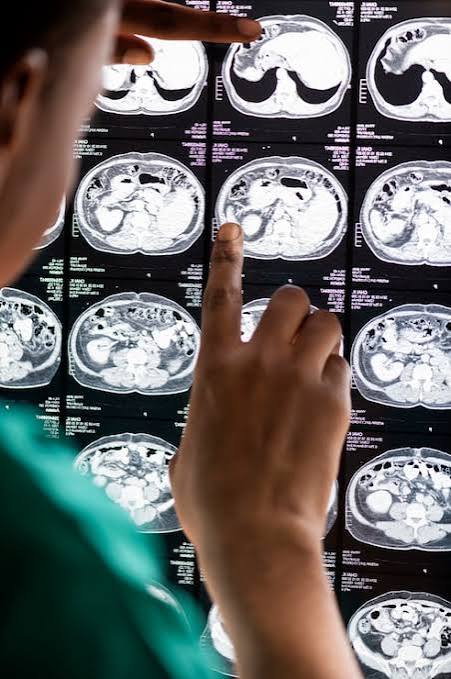
- MRI with epilepsy-specific sequences to look for a structural lesion, scar tissue or developmental abnormality
- Blood tests to rule out metabolic causes such as low blood sugar or electrolyte imbalance
- Extended or video EEG monitoring where the seizure type remains unclear after initial testing
Epilepsy Treatment Options at Armani, Mehsana
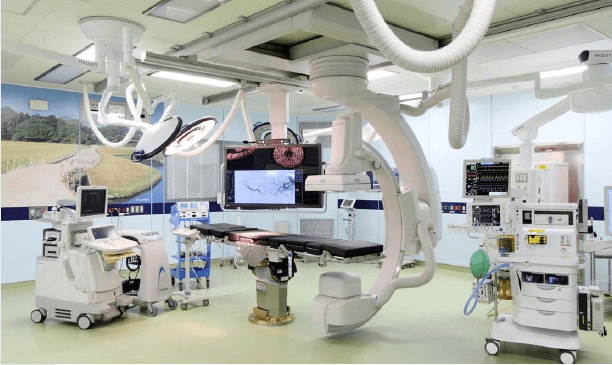
Treatment is staged according to how the seizures respond, not assumed from the outset to require surgery.

Medication as the First Line of Treatment
Most patients achieve good seizure control with an appropriately chosen anti-seizure medication. Finding the right medication and dose is itself a process, since response varies between patients and seizure types.
Evaluation for Drug-Resistant Epilepsy
- Reassessment of the original diagnosis and seizure type, since a change in diagnosis can change the treatment path entirely
- Extended video EEG monitoring to localise exactly where seizures are starting
- Detailed MRI review for a previously missed structural cause
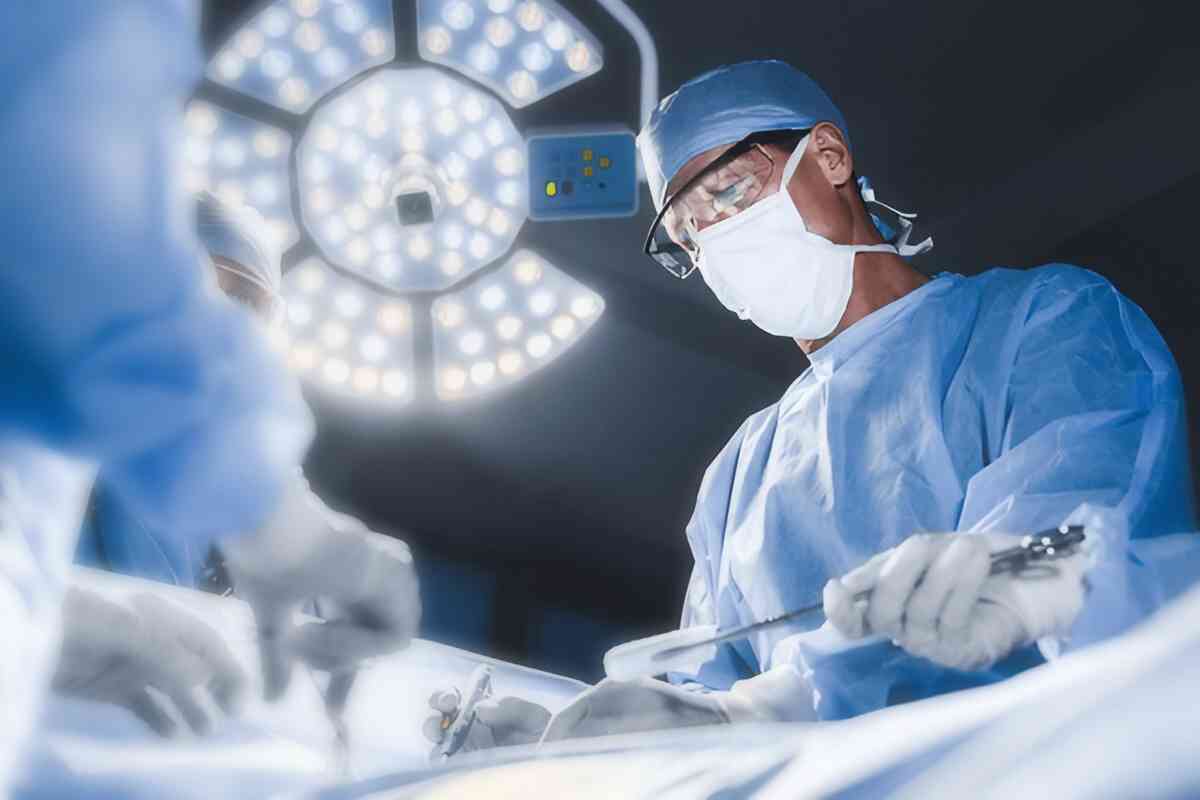
Surgical Treatment for Epilepsy
- Removal of a clearly identified lesion causing the seizures, such as a tumor or area of scar tissue
- Resective surgery for a well-localised seizure focus not linked to a visible lesion
- Referral for device-based options, such as vagus nerve stimulation, where resective surgery is not suitable
Signs That Need a Specialist Assessment, Not More Time
Delaying evaluation is common with epilepsy, often because a first seizure is dismissed as a one-off. The following signs indicate that an assessment should not wait:


- A first-time seizure at any age
- A change in the pattern, frequency or type of known seizures
- Seizures continuing despite taking medication as prescribed
- A seizure lasting more than five minutes, or repeated seizures without regaining full awareness between them (seek emergency care)
- Memory, mood or behaviour changes alongside seizures
Why Patients Across North Gujarat Choose Armani for Epilepsy Treatment
Patients from Visnagar, Unjha, Patan, Kheralu, Siddhpur and across North Gujarat are seen at Armani for epilepsy evaluation and treatment.
- Dr. Sandip Patel evaluates both the seizure type and any underlying structural cause before recommending treatment
- EEG and epilepsy-specific MRI evaluation available without needing to travel to Ahmedabad
- Clear pathway from medication management through to surgical evaluation for drug-resistant cases
- Pediatric and adult epilepsy both assessed, with age-appropriate evaluation
- Dedicated ICU support for prolonged or repeated seizures requiring emergency care
- Serving Mehsana, Visnagar, Unjha, Patan, Kheralu, Siddhpur and all of North Gujarat


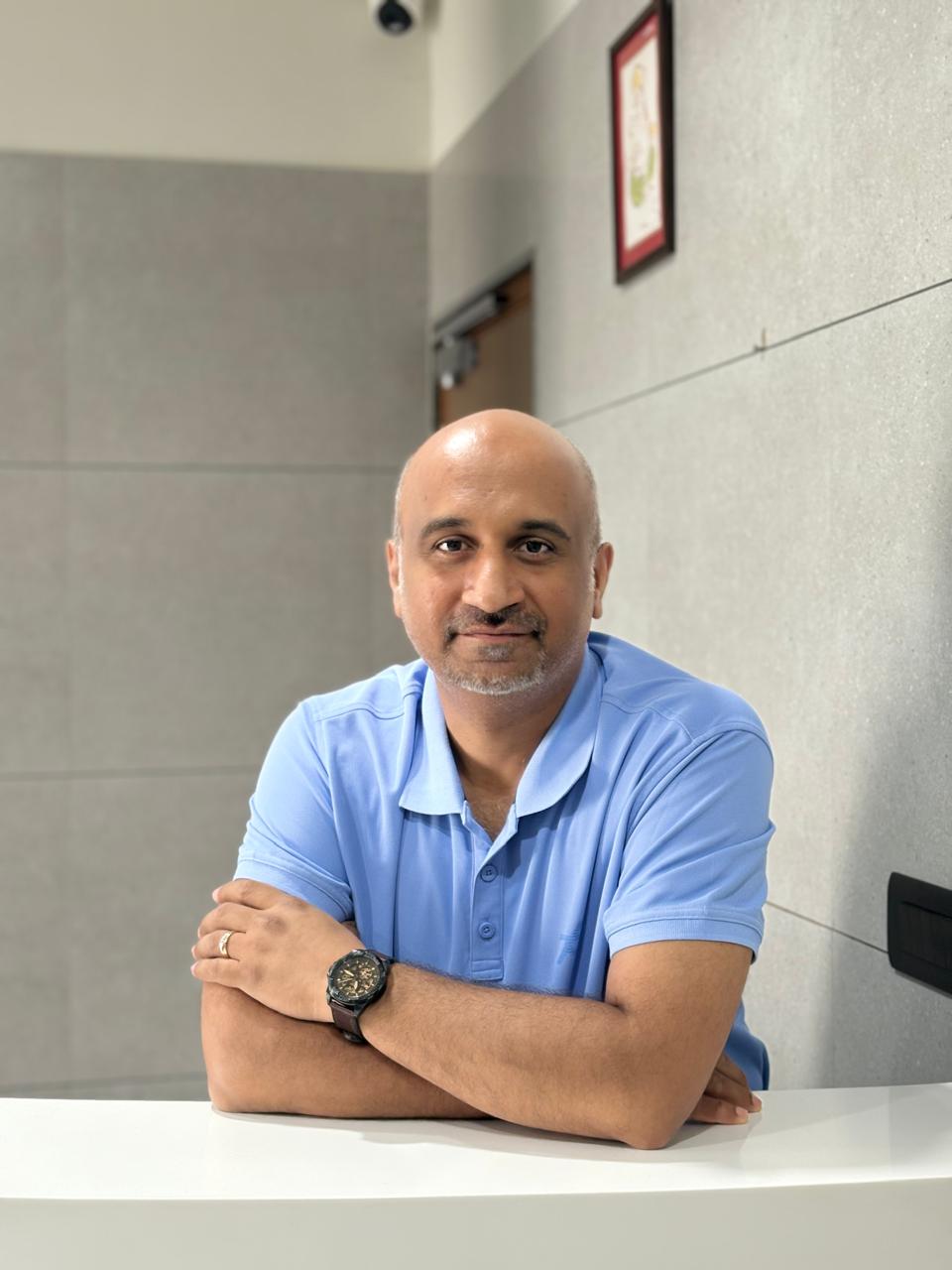
Dr. Sandip Patel
Lead Neurosurgeon
Full Range of Neurosurgical Services at Armani, Mehsana
Dr. Sandip Patel, Brain and Spine Services
- Brain Tumor Surgery
- Hydrocephalus Treatment
- Epilepsy Treatment
- Brain Hemorrhage and Stroke Surgery
- Head Injury and Trauma Care
- Trigeminal Neuralgia Treatment
- Chiari Malformation Treatment
- Slipped (Herniated) Disc Treatment
- Spinal Stenosis Management
- Cervical Spondylosis Treatment
- Endoscopic (Keyhole) Spine Surgery
- Microdiscectomy and Laminectomy
- Spinal Fusion Surgery
- Spinal Cord Tumor Treatment
- Vertebroplasty and Kyphoplasty
- Emergency Neurosurgical Care