The Neurosurgeon Behind Brain Tumor Care at Armani, Mehsana
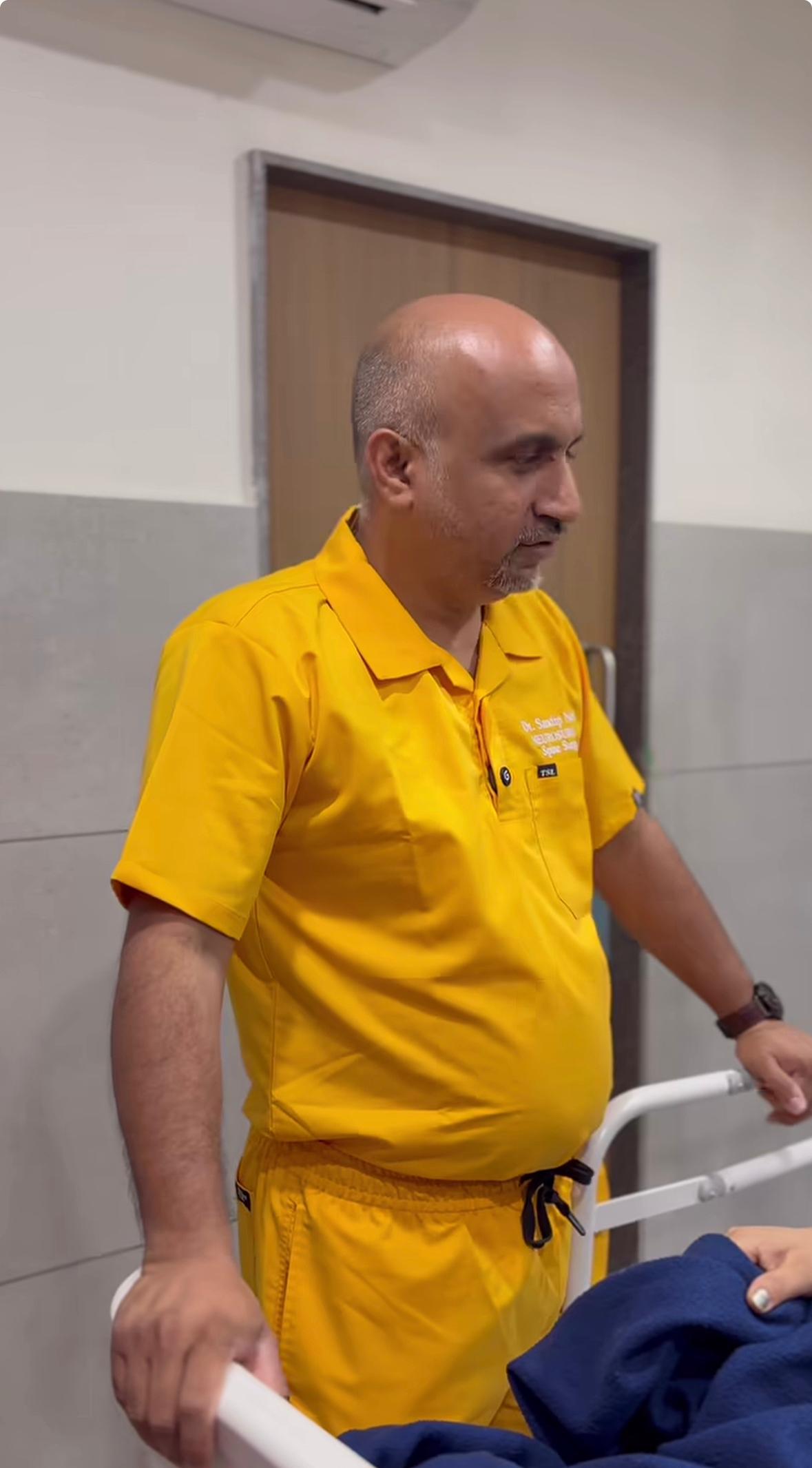
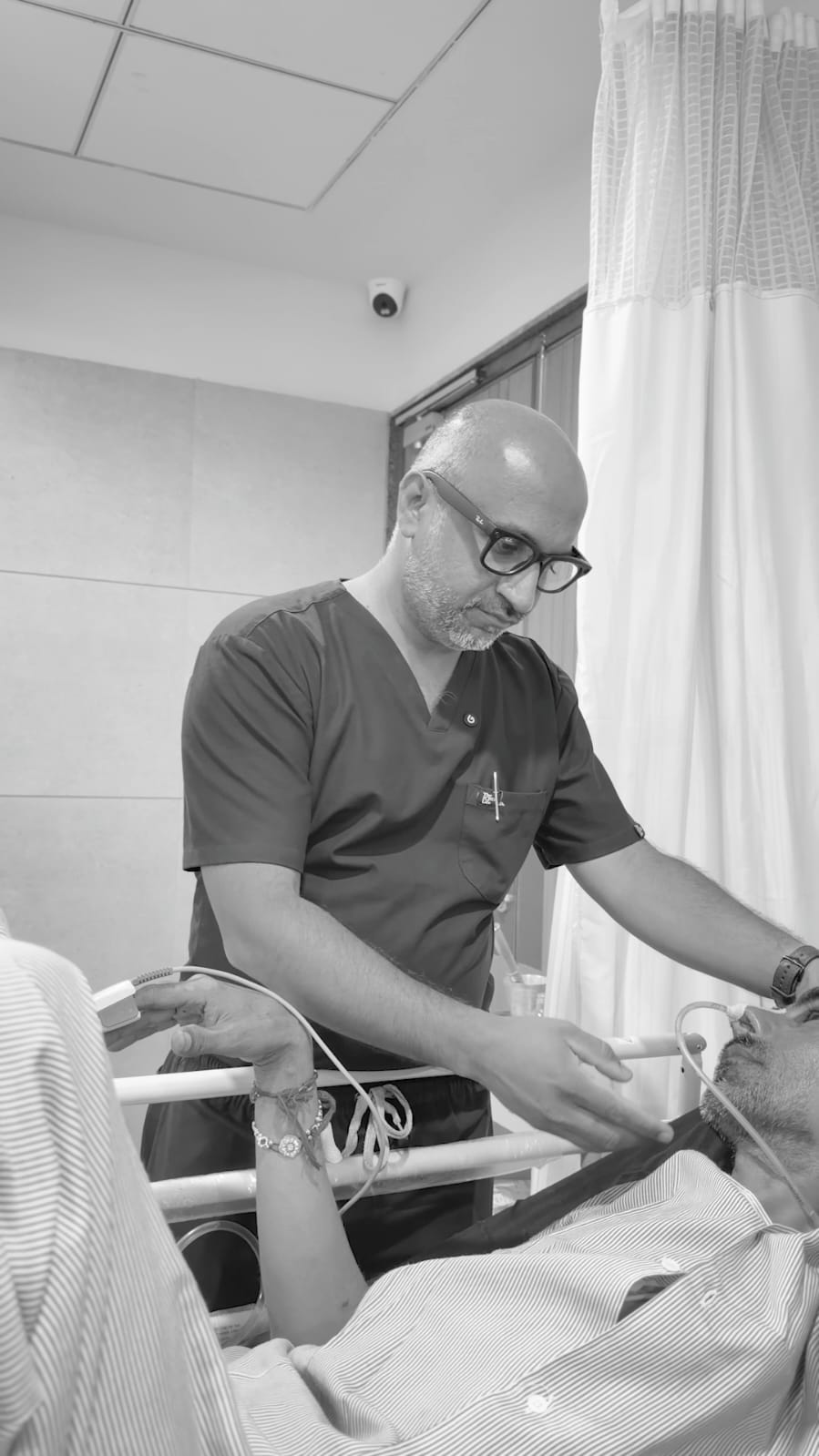
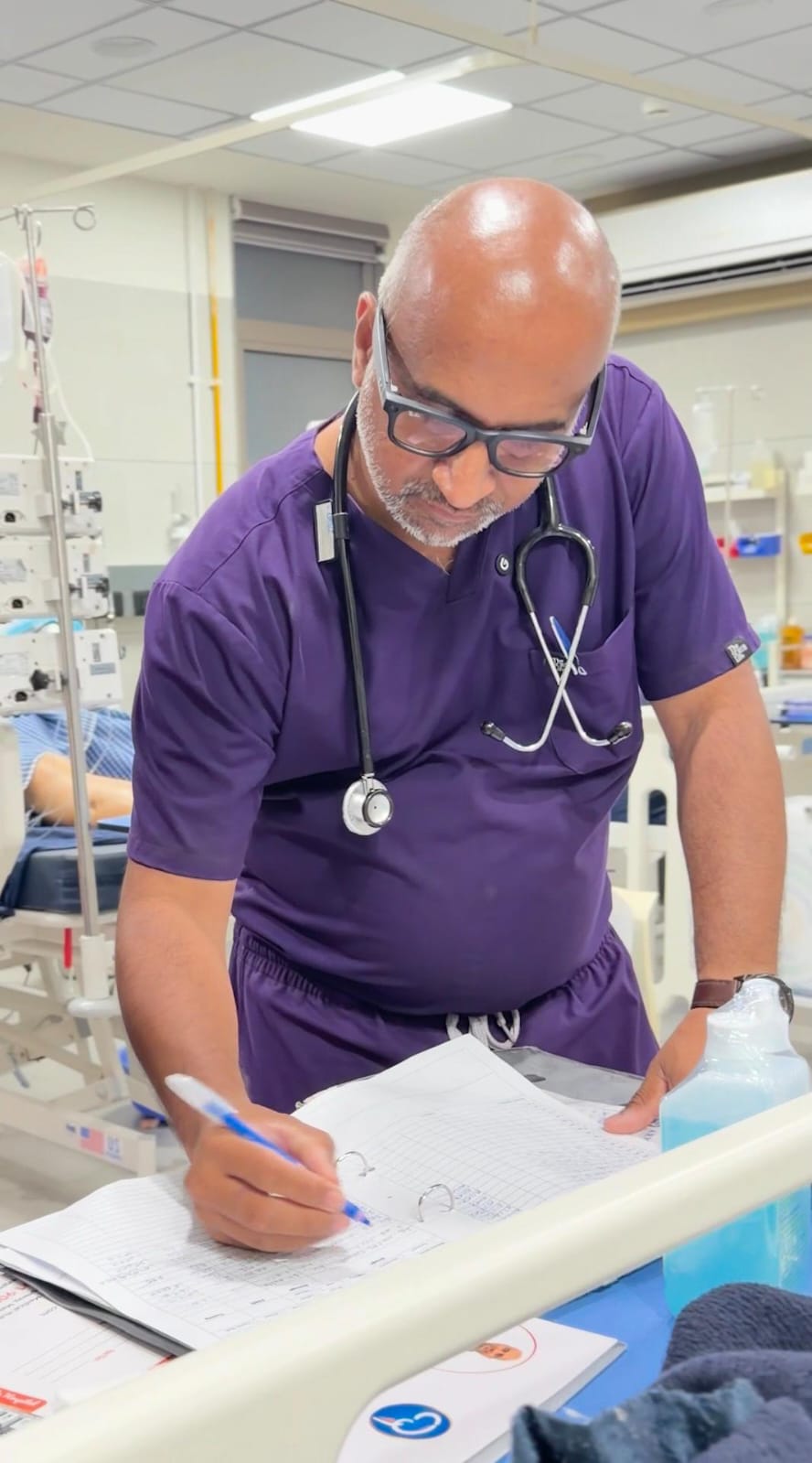
Brain tumor cases at Armani are managed by Dr. Sandip Patel, a Neurosurgeon whose clinical practice includes the surgical and non-surgical management of benign and malignant brain tumors, in both adult and pediatric patients.
Dr. Sandip Patel, Neurosurgeon for Brain Tumor Treatment in Mehsana
Dr. Sandip Patel evaluates brain tumor patients with a focus on establishing exactly what the tumor is before deciding how to treat it. This includes correlating imaging findings with the patient's symptoms and, where needed, planning biopsy or surgical removal with attention to preserving neurological function. Patients from Mehsana and across North Gujarat are seen at Armani for newly detected brain tumors, tumors found incidentally on imaging done for other reasons, and second opinions on tumors previously diagnosed elsewhere.
Types of Brain Tumors Treated in Mehsana
Brain tumor is a broad term covering several distinct conditions, each with a different origin, growth pattern and treatment approach. Identifying the specific type is the first step in planning care.

Meningioma Treatment in Mehsana
A tumor arising from the membranes covering the brain, most often slow-growing and benign. Many meningiomas are monitored with periodic imaging, while others are surgically removed if they are growing, causing symptoms or pressing on critical brain structures.

Glioma Treatment in Mehsana
A tumor arising from the brain's supportive glial cells, ranging from low-grade tumors with a slower course to high-grade tumors requiring more urgent and extensive treatment. Grading through biopsy or surgical tissue sampling guides the treatment plan.

Pituitary Tumor Treatment in Mehsana
A tumor of the pituitary gland at the base of the brain, which can affect hormone levels or press on the nearby optic nerves, producing vision changes. Many pituitary tumors are treated through endoscopic surgery performed through the nose, avoiding an open incision.

Acoustic Neuroma Treatment in Mehsana
A tumor arising from the nerve connecting the ear to the brain, typically presenting with one-sided hearing loss, ringing in the ear or unsteadiness. Treatment ranges from monitoring for small, slow-growing tumors to surgical removal for larger ones.

Metastatic Brain Tumor Treatment in Mehsana
A tumor that has spread to the brain from cancer elsewhere in the body. Treatment is planned in coordination with the patient's oncology team and may involve surgery, radiation or both, depending on the number and location of the deposits.

Brain Tumors in Children, Mehsana
Pediatric brain tumors present differently from adult tumors and often require a distinct diagnostic and surgical approach. Children presenting with persistent headache, vomiting, gait change or developmental regression are evaluated with this possibility in mind.
Brain Tumor Symptoms, What Patients Notice Before Diagnosis in Mehsana
Brain tumor symptoms depend heavily on the tumor's location within the brain, which is why two patients with the same diagnosis can present very differently.


-
Headache Patterns Associated with Brain Tumors
A headache that is new, progressively worsening, present on waking, or worsened by coughing or straining is evaluated more closely than an isolated, short-lived headache.
-
Vision and Hearing Changes
Blurred or double vision, a shrinking field of vision, or one-sided hearing loss can indicate a tumor affecting the optic pathways or the nerves near the ear.
-
Seizures as a First Presentation
A first-time seizure in an adult with no prior history is a common way brain tumors are first detected and is evaluated with brain imaging as a standard part of the work-up.
-
Weakness, Balance and Coordination Changes
Weakness on one side of the body, unsteady gait or difficulty with fine coordination can reflect a tumor's pressure on the areas of the brain controlling movement and balance.
How Brain Tumors Are Diagnosed at Armani, Mehsana
An accurate diagnosis shapes every subsequent treatment decision. Diagnosis at Armani combines clinical evaluation with imaging and, where appropriate, tissue sampling.


- Detailed neurological examination assessing vision, hearing, strength, coordination and cognitive function
- MRI with contrast, the primary imaging tool for detecting and characterising brain tumors
- CT scan where MRI is not immediately available or for specific bony detail
- Biopsy, where tissue diagnosis is needed before deciding on further treatment
- Hormonal blood tests for tumors suspected to involve the pituitary gland
- Visual field testing where the tumor is close to the optic pathways
Brain Tumor Treatment Options at Armani, Mehsana
Not every brain tumor is treated the same way, and not every diagnosis leads immediately to surgery. Treatment at Armani is planned according to the tumor's type, size, location and rate of growth.


Observation for Slow-Growing Brain Tumors
Small, asymptomatic tumors, particularly some meningiomas, are appropriate for monitoring with periodic MRI rather than immediate intervention, provided there is no evidence of growth or pressure on critical structures.
Endoscopic and Minimally Invasive Brain Tumor Surgery
- Endoscopic transnasal surgery for select pituitary tumors
- Keyhole craniotomy for accessible tumors in select locations
- Stereotactic biopsy for tissue diagnosis with minimal disruption
Brain Tumor Removal Surgery (Craniotomy)
- Microsurgical tumor removal under high-magnification visualisation
- Awake craniotomy for tumors near speech or movement areas, allowing real-time functional monitoring
- Intraoperative neuromonitoring to protect critical neurological pathways during removal
- Staged surgery for large or complex tumors where a single-stage removal carries higher risk
Why Patients Across North Gujarat Choose Armani for Brain Tumor Treatment
Patients from Visnagar, Unjha, Patan, Kheralu, Siddhpur and across North Gujarat are seen at Armani for brain tumor diagnosis, treatment and second opinions.
- Dr. Sandip Patel provides individualised treatment planning based on tumor type, not a standard protocol applied to every case
- Access to endoscopic and microsurgical techniques for both benign and malignant tumors
- Intraoperative neuromonitoring capability to protect neurological function during surgery
- Coordination with oncology teams for tumors requiring radiation or systemic treatment
- Dedicated ICU and post-operative neurological monitoring
- Second opinion consultations for tumors already diagnosed elsewhere
- Serving Mehsana, Visnagar, Unjha, Patan, Kheralu, Siddhpur and all of North Gujarat


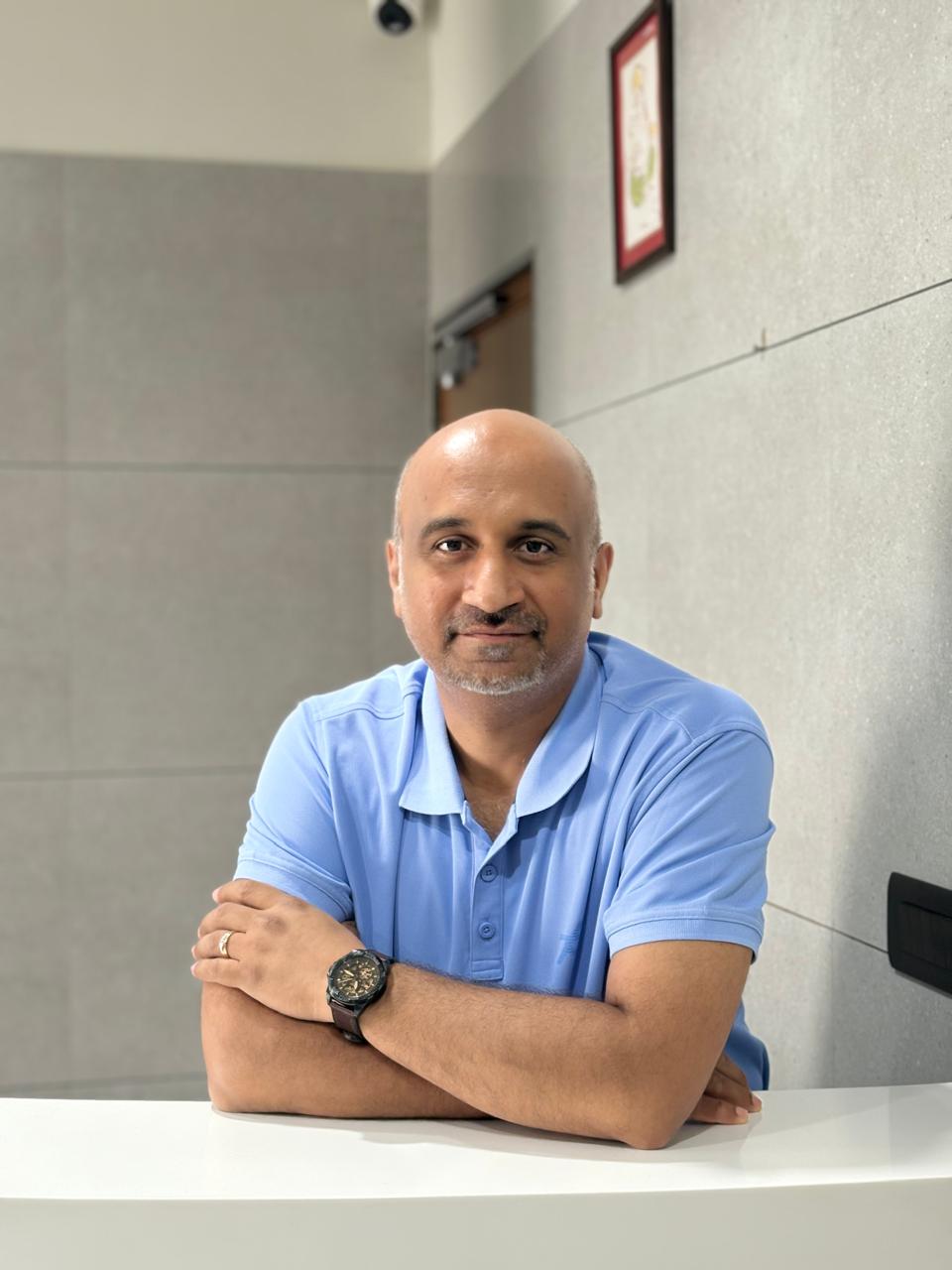
Dr. Sandip Patel
Lead Neurosurgeon
Full Range of Neurosurgical Services at Armani, Mehsana
Dr. Sandip Patel, Brain and Spine Services
- Brain Tumor Surgery
- Hydrocephalus Treatment
- Epilepsy Treatment
- Brain Hemorrhage and Stroke Surgery
- Head Injury and Trauma Care
- Trigeminal Neuralgia Treatment
- Chiari Malformation Treatment
- Slipped (Herniated) Disc Treatment
- Spinal Stenosis Management
- Cervical Spondylosis Treatment
- Endoscopic (Keyhole) Spine Surgery
- Microdiscectomy and Laminectomy
- Spinal Fusion Surgery
- Spinal Cord Tumor Treatment
- Vertebroplasty and Kyphoplasty
- Emergency Neurosurgical Care